
Nectar Slice Kenya: A Guide to Choosing Quality Dried Fruits in Kenya (2026)

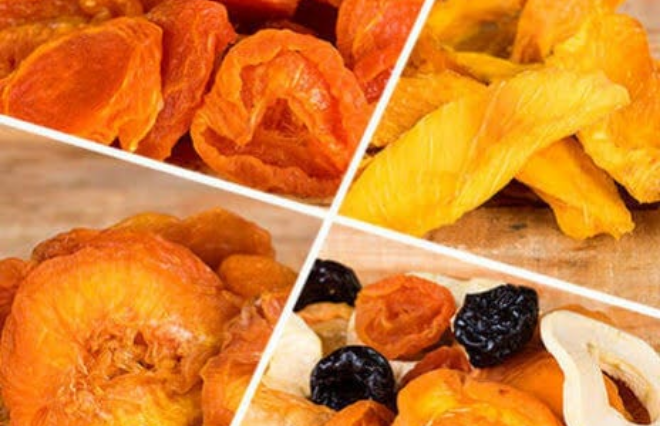
Everything You Need to Know Before Buying Dried Fruits in Kenya
If you are searching for dried fruits in Kenya, you have likely noticed the same names appearing again and again—Sweetunda, Goshen Farm, Azaavi, Kenya Nut Company, and the big retail platforms. This guide is designed to help you make a smart buying decision, whatever brand you ultimately choose. We will also explain where Nectar Slice fits into the picture, so you can decide for yourself.
The Kenyan dried fruit market has matured. There are export-focused processors, retail-ready snack brands, supermarket private labels, and direct-to-consumer producers. Each serves a different need. The goal here is not to declare a single winner, but to give you the information to choose well—based on your priorities around price, convenience, sourcing, and product quality.
What to Look For When Buying Dried Fruits in Kenya
Before comparing brands, it helps to know what actually matters. These are the factors that separate a good dried fruit purchase from a disappointing one.
Ingredient list. The best dried fruit has one ingredient: fruit. Some products add sugar, syrup, or preservatives to extend shelf life or enhance sweetness. If you want the natural taste of Kenyan mango or pineapple, check the label. A short ingredient list is usually a good sign.
Texture and appearance. Good dried fruit bends rather than snaps. It should smell like fruit, not like plastic or sugar. Surface crystallisation can indicate added syrup or poor storage conditions. Colour should be characteristic of the fruit—deep orange for mango, golden for pineapple—not artificially bright.
Sourcing and freshness. Kenyan fruit is seasonal. A producer that works closely with local farmers and dries fruit in small batches is more likely to deliver a fresher product than one that warehouses large volumes for long periods. This is not an absolute rule, but it is a useful signal.
Price per 100g, not per pack. Retail packs vary enormously in size. A KSh 300 bag that weighs 100g is not better value than a KSh 500 bag that weighs 250g. Always calculate the unit price.
Availability and convenience. Supermarkets and delivery apps offer speed. Direct-from-producer brands offer freshness and often better pricing on larger quantities. Neither is inherently superior—it depends on what you need today.
Dried Fruit Prices in Kenya: A Realistic Overview
Price confusion is common because search results mix imported supermarket brands, local retail snacks, and bulk supplier quotes. Here is a grounded snapshot of what the market looks like in 2026.
| Product Type | Typical Price Range (KSh) | Common Channel |
|---|---|---|
| Small retail dried mango packs (35g–50g) | ~114–200 | Supermarkets, delivery apps |
| Mid-size retail packs (150g–200g) | ~400–600 | Supermarkets, online retail |
| Generic marketplace dried fruit | ~535–1,692 | Online marketplaces |
| Bulk or direct-from-producer | Varies by quantity | Direct brand websites, processors |
What this means for you: Small packs are convenient but carry higher per-gram costs due to packaging and distribution. Bulk or direct purchases typically offer better value if you consume dried fruit regularly or use it for baking, cereals, or gifting.
Nectar Slice operates on a direct-to-consumer model through nectarslice.co.ke, which means you see the full range and current pricing without navigating third-party reseller listings. This model is designed to offer fair value on larger quantities while keeping the product accessible for everyday snacking.
The Main Types of Dried Fruit Available in Kenya
Kenya’s tropical climate supports a strong dried fruit sector. These are the varieties you will encounter most often.
Dried Mango. The most popular dried fruit in Kenya by a wide margin. Ripe mangoes from Makueni, Kilifi, and other growing regions dehydrate into chewy, intensely sweet slices. Look for deep orange colour and a pliable texture.
Dried Pineapple. Tangy-sweet and versatile. Excellent for snacking, granola, or baking. Kenya’s pineapples are naturally high in sugar, so added syrup is unnecessary.
Dried Banana. Often overlooked but a solid energy snack. Banana coins and slices work well in lunchboxes and trail mixes.
Dried Papaya. Milder in flavour than mango, with a softer texture. Common in mixed fruit blends.
Dried Coconut. A niche product but increasingly available from local processors.
Mixed Dried Fruit. A convenient option if you want variety. Check the ingredient list carefully—some blends include added sugar or sulphites.
Indigenous and specialty fruits. Some Kenyan suppliers also offer dried baobab, tamarind, and passion fruit. These are less common but worth exploring if you want something different.
How Different Types of Suppliers Serve Different Needs
The Kenyan dried fruit market includes several categories of supplier. Understanding them helps you choose the right channel for your situation.
Retail snack brands are designed for supermarket shelves and delivery apps. They prioritise convenience, small pack sizes, and broad distribution. If you need a snack on the go or a small bag for a lunchbox, this channel works well.
Export-focused processors operate at scale and supply international markets alongside local distribution. They are often the right choice for bulk buyers, food manufacturers, or anyone needing consistent large volumes. Their retail presence may be limited.
Direct-to-consumer brands sell primarily through their own websites. This model reduces distribution layers and can offer better value on larger quantities. It also allows the brand to control freshness and communicate directly with customers about sourcing and processing. Nectar Slice operates in this space.
Supermarkets and online marketplaces are aggregators. They stock multiple brands and offer convenience, but pricing includes retail margin. They are a good option when you need something immediately or want to compare products in person.
None of these channels is inherently better. The right choice depends on whether you prioritise speed, price, volume, or direct relationships with producers.
A Practical Checklist Before You Buy
Use this checklist to evaluate any dried fruit product, regardless of brand.
- Ingredients: Does the label list only fruit, or are there added sugars, syrups, or preservatives?
- Origin: Is the fruit sourced from Kenya or imported? Local sourcing often means fresher product and shorter supply chains.
- Unit price: What is the cost per 100g? Compare across pack sizes and channels.
- Texture: Does the fruit bend, or does it snap? Pliable texture usually indicates better moisture control.
- Smell: Does it smell like fruit, or does it have a chemical or plasticky odour?
- Packaging: Is the packaging sealed properly? Has it been stored away from direct sunlight?
- Reviews and reputation: What do other buyers say? Are there consistent complaints about staleness or added sugar?
Frequently Asked Questions About Dried Fruits in Kenya
Where can I buy quality dried fruits in Kenya?
You can buy from supermarkets (Carrefour, local chains), online marketplaces (Jumia), delivery apps, or directly from producer brands. Direct-from-brand websites like nectarslice.co.ke allow you to see the full range and order without intermediary markup.
Is it cheaper to buy dried fruit directly from a brand or from a supermarket?
For equivalent quantities, direct-from-brand pricing is often more competitive because it avoids retail margin. However, supermarkets offer convenience and immediate availability. Compare unit prices to make the right call for your needs.
Does Nectar Slice add sugar to its dried fruit?
Nectar Slice’s core range is built around naturally dried fruit without refined sugar additions. Always check the specific product label for the most accurate information.
What is the healthiest dried fruit?
All dried fruit retains fibre and minerals, though heat-sensitive vitamins like vitamin C are reduced during drying. The healthiest choice is the one with no added sugar or syrup, consumed in moderation. Dried fruit is calorie-dense, so portion control matters.
How should I store dried fruit in Kenya?
Keep it in an airtight container in a cool, dark place. In humid coastal regions, refrigeration can help, but ensure the container is properly sealed to prevent moisture ingress. If fruit becomes hard, a few minutes in a warm (not hot) oven can restore pliability.
Are there local Kenyan dried fruit brands I should know about?
Yes. The market includes several Kenyan producers and brands, including Sweetunda, Goshen Farm Exporters, Azaavi Foods, Kenya Nut Company, Greenava Foods, and Nectar Slice, among others. Each has different strengths and distribution models. Exploring a few will help you find the one that matches your preferences.
Can I buy dried fruit in bulk for baking or resale?
Yes. Several Kenyan processors and direct-to-consumer brands offer larger quantities suitable for baking, food manufacturing, or resale. Contact the brand directly to discuss bulk pricing and availability.
Final Thoughts: Make an Informed Choice
The Kenyan dried fruit market is diverse, and that is a good thing. Retail brands, export processors, and direct-to-consumer producers each serve a legitimate need. The best choice for you depends on whether you value convenience, price, volume, or a direct relationship with the producer.
Nectar Slice exists to offer Kenyan dried fruit through a direct, accessible channel—with a focus on natural products and fair pricing. If that aligns with what you are looking for, visit nectarslice.co.ke to see the full range.
If you prefer the supermarket shelf or a marketplace listing, that is a valid choice too. The most important thing is that you know what to look for: simple ingredients, good texture, transparent sourcing, and fair unit pricing. Use the checklist above, compare a few options, and buy what works for you.